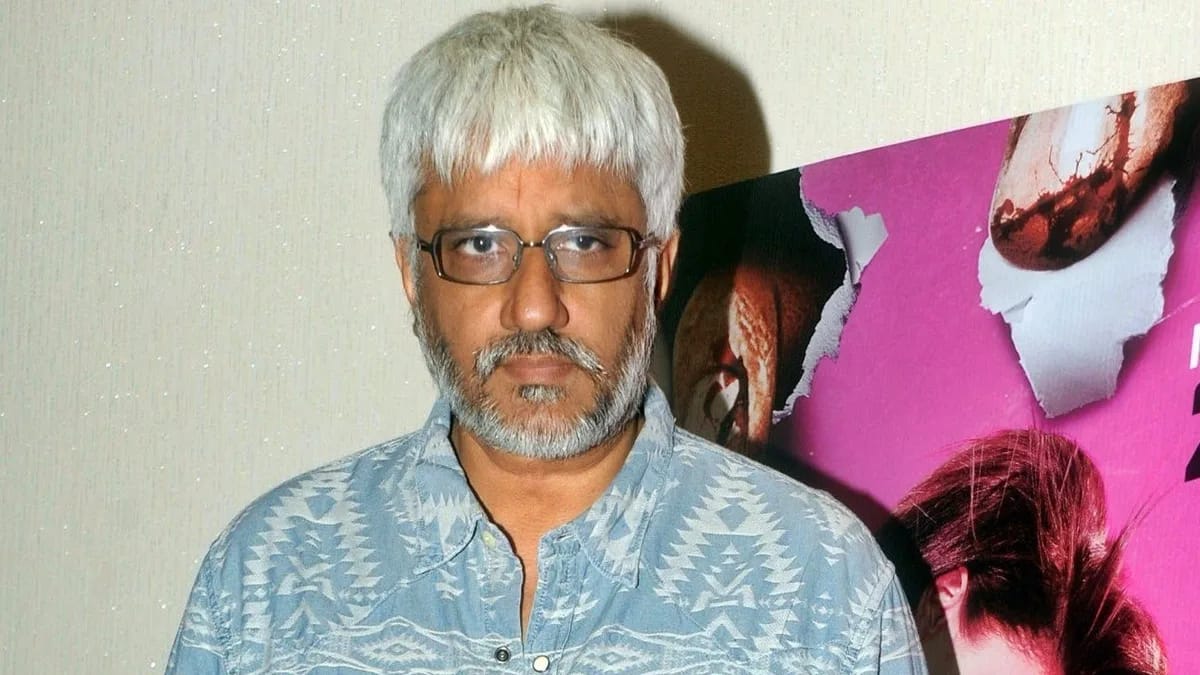
The arrest of filmmaker Vikram Bhatt and his wife Shwetambari Bhatt in a commercial dispute with Indira IVF founder Ajay Murdia should worry every entrepreneur, artist, and investor in this country. What should have been a straightforward contractual disagreement has been escalated into a criminal case — a troubling sign of how business negotiations are increasingly being policed rather than adjudicated.
At its core, the allegation is simple: Bhatt was contracted to deliver four films and, according to the complainant, delivered only one. Delays, restructuring, or even failures in creative projects are not crimes — they are occupational hazards. Bollywood runs on shifting schedules, financing hurdles, talent availability, and creative rewrites. A project not materialising on time is not evidence of criminal intent; it is evidence of an industry that works under constant unpredictability.
Yet the Rajasthan Police acted swiftly, treating what appears to be a civil dispute as if it were a criminal conspiracy. This raises a serious question: since when did undelivered creative work become grounds for arrest?
Legal experts across Mumbai’s entertainment ecosystem are unanimous on one point — criminal law is not the tool for resolving production disputes. The proper routes are arbitration, mediation, or civil court action. These frameworks exist precisely because creative industries operate on good faith, fluid timelines, and complex financial arrangements.
Supporters of Bhatt point out that he has spent decades building a reputation as a professional who honours commitments and completes projects under enormous pressure. Nothing about his track record suggests malice or fraud. And unless there is clear, overwhelming evidence of criminal intent — which has not been presented publicly — the use of police action appears disproportionate.
Equally discomforting is the larger context. The complainant, Ajay Murdia, has recently been in the spotlight due to Indira IVF’s confidential IPO withdrawal and the release of a biopic on his own life. While there is no proof connecting these events to the police complaint, the environment surrounding this dispute is undeniably charged. In such circumstances, law enforcement must act with extra caution — not extra speed.
But caution is exactly what seems to be missing.
The decision to arrest a filmmaker over unfinished creative work risks setting a dangerous precedent: that powerful parties dissatisfied with business outcomes can choose the criminal route to exert pressure. If this becomes the norm, creative freedom and business confidence will be the collateral damage.
Vikram Bhatt now finds himself fighting a battle that should not require police custody to begin with — a battle of contracts, not crime.
The courts will ultimately decide the merits of the case. But the manner in which this disagreement was handled should prompt urgent reflection. Criminal law must never become a weapon in commercial negotiations. If it does, India’s creative and entrepreneurial ecosystem stands to lose more than any individual caught in the crossfire.